

How to Make High Protein Smoothies That Actually Taste Good Leave a comment
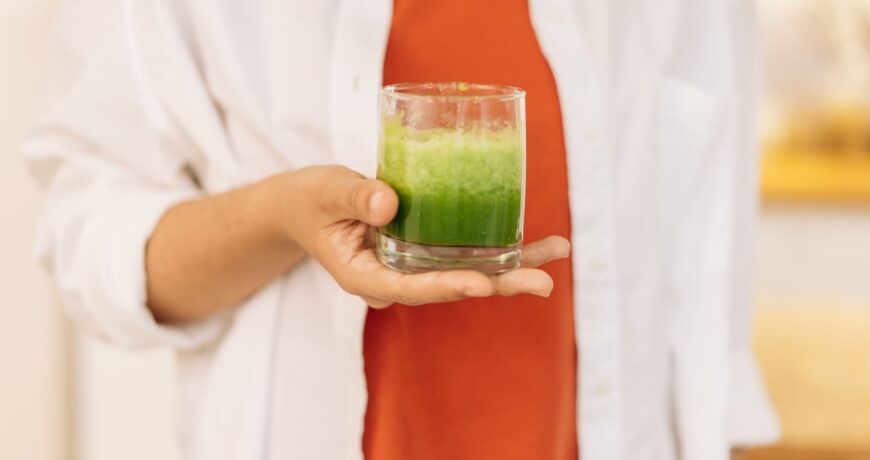
Protein is having a real moment. Scroll through TikTok or Instagram and you will see it everywhere: protein coffee, protein ice cream, protein everything. Behind the trend is a simple, sensible habit, drinking a smoothie that actually has enough protein in it to keep you full instead of hungry an hour later. You do not need a subscription box or a fancy blender setup to do this well. Two small tools do almost all of the work.
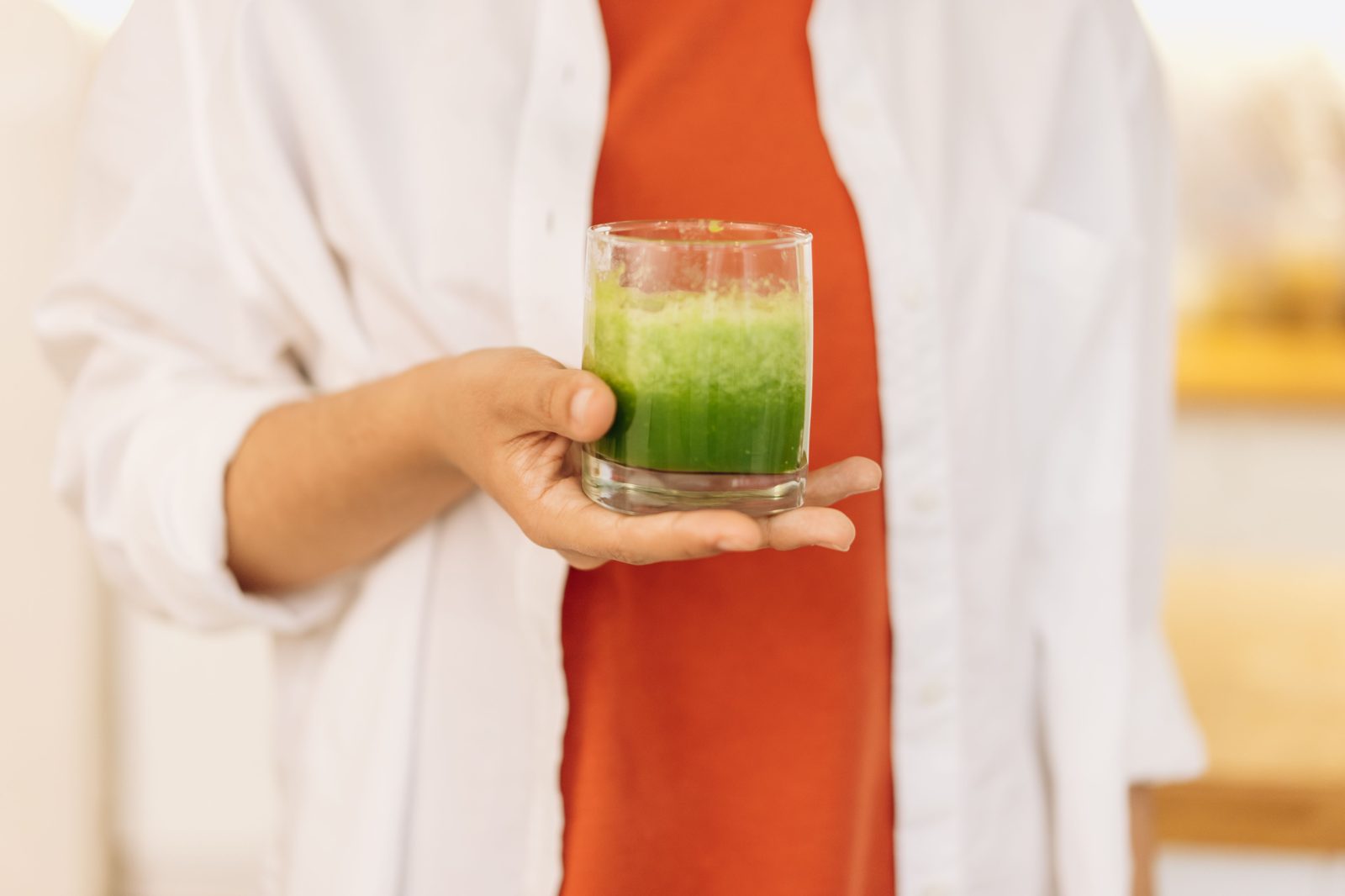
Photo by Mikhail Nilov on Pexels
Why most homemade protein smoothies fall short
The usual problem is not the recipe, it is the equipment. A blender that is too small forces you to make a half sized smoothie, and eyeballing your protein powder scoop means you are either underdosing it or making the whole thing taste chalky. Getting the ratio right, and being able to make it fast enough that you actually keep the habit up, matters more than which fruit you use.
Start with a blender you will actually use daily
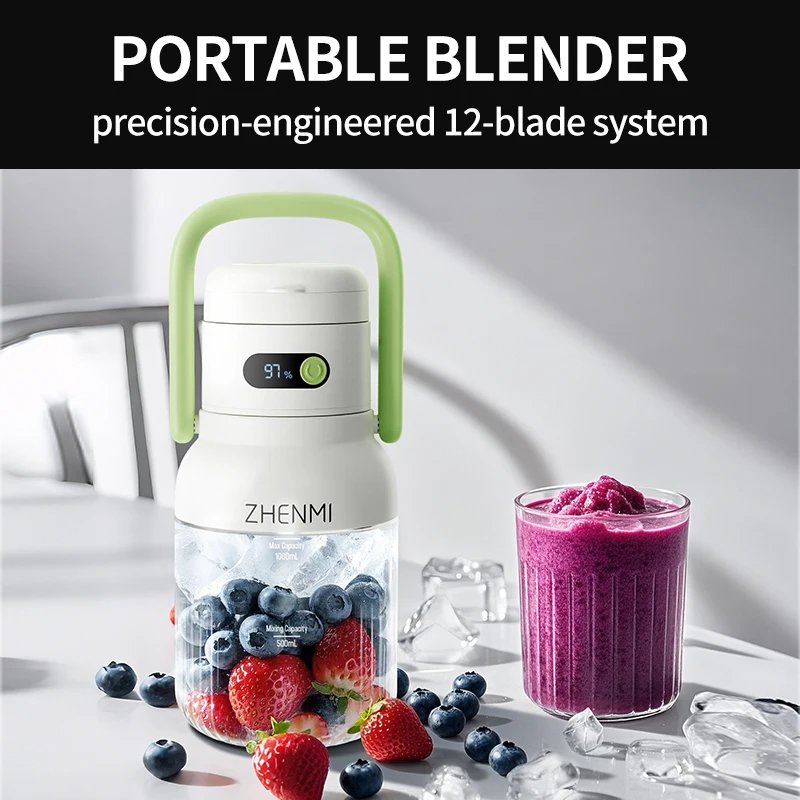
The blenders people stick with long term tend to be small, cordless, and easy to rinse out, not the big countertop kind that ends up in a cupboard after two weeks. A portable cordless blender that charges over USB means you can blend at your desk, in a hotel room, or right after a workout without needing to be near an outlet. At 33oz it holds a real serving, not a sample size, and being BPA free matters if you are drinking out of it daily.
Measure your protein powder instead of eyeballing it
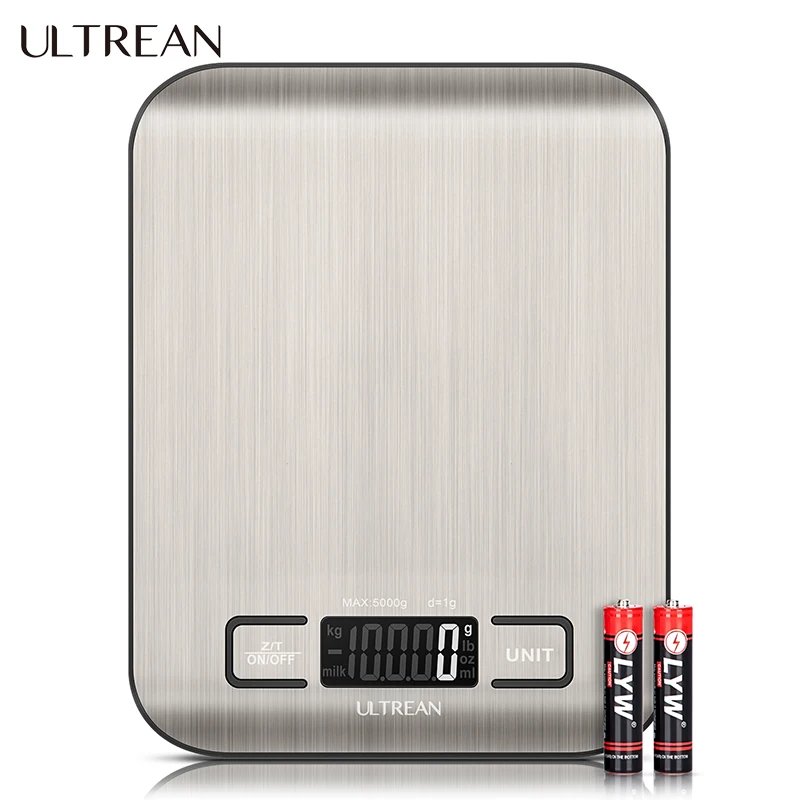
Protein powder scoops are notoriously inconsistent between brands, and a scoop that is too light is the main reason homemade smoothies end up with less protein than a store bought one. Weighing your scoop on a digital kitchen scale takes about five seconds and removes the guesswork completely. A waterproof scale with a clear LCD display is worth it here since your counter is rarely dry when you are making a smoothie.
A simple starting ratio
If you are not sure where to start, one scoop of protein powder, a cup of milk or a milk alternative, a handful of frozen fruit, and a spoonful of nut butter or oats for staying power is a reliable base. Weigh the powder once with your scale so you know what your scoop actually holds, then you can eyeball it going forward with confidence.
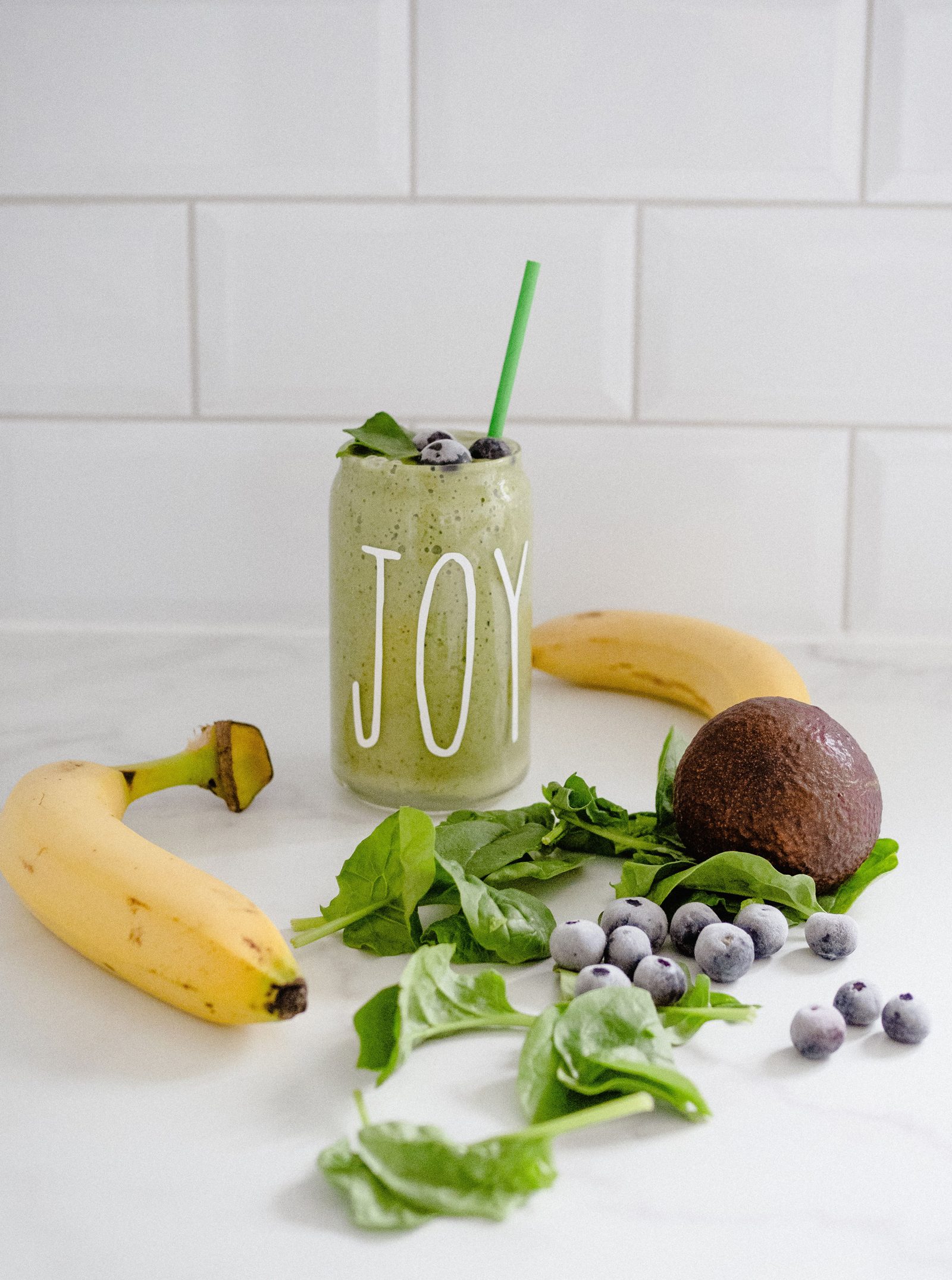
Photo by Lisa Fotios on Pexels
Frequently asked questions
Do I need a big blender to make a protein smoothie?
No. A single serving portable blender is enough for one smoothie and is far easier to clean and store than a full sized countertop blender.
How much protein should a smoothie actually have?
Most people aim for 20 to 30 grams per smoothie, which is usually one standard scoop of protein powder. Weighing your scoop once tells you exactly what you are working with.
Can I make a protein smoothie without protein powder?
Yes, Greek yogurt, cottage cheese, or nut butter all add meaningful protein, though powder is the fastest way to hit a specific target.
Is a cordless blender strong enough to crush ice?
A cordless personal blender is built for softer ingredients like frozen fruit rather than large ice cubes, so frozen fruit or crushed ice works better than whole ice cubes.
Free US shipping is available on both of these picks at HANZ Outlet, and you can browse more kitchen and wellness finds in our Home and Garden and Wellness categories.
